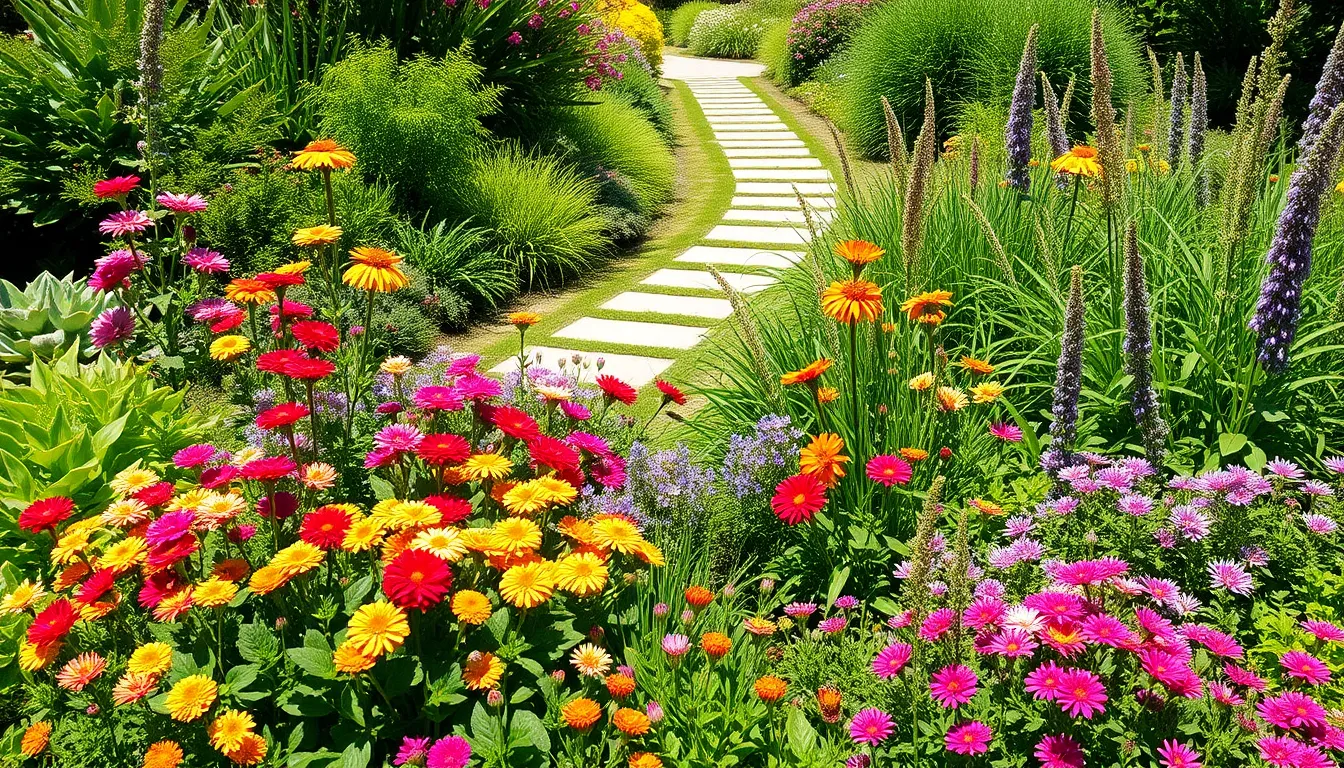
When it comes to enhancing your outdoor space, few elements have as profound an impact as well-defined garden borders. They transform ambiguous areas into intentional designs, elevating the overall aesthetic and functionality of your landscape. Among the myriad of garden border ideas, rock edging stands out as a remarkably durable, versatile, and aesthetically pleasing choice. It’s a garden detail that quietly but powerfully makes everything look better, providing a polished finish that separates beds from lawns and paths from planting areas.
Unlike more ephemeral materials, rock edging offers longevity and a timeless appeal. Wood can rot, plastic can crack and fade, and some softer materials can simply disappear into the surrounding foliage over time. Rock, however, endures. Its natural resilience means it can withstand the elements for decades, requiring minimal maintenance while maintaining its inherent beauty. This makes it an exceptional investment for any gardener looking for a permanent, impactful solution to their garden border needs.
The Enduring Appeal of Rock Edging for Your Garden Border Ideas
Choosing the right material for your garden borders is a critical decision, influencing not only the look of your garden but also the amount of effort required to maintain it. Rock edging consistently emerges as a superior option, offering a blend of practical benefits and aesthetic versatility that few other materials can match.
Why Choose Rock Over Other Materials?
The primary advantage of rock as a garden border material lies in its unparalleled durability. Natural stone is incredibly resistant to weathering, pests, and decay. Once properly installed, a rock border will stay put, maintaining its form and function for literally decades. This permanence means no more replacing rotten timber, no more cracking plastic, and no more borders that slowly sink or disappear into the grass. It's a "set it and forget it" solution that frees up your time for more enjoyable gardening tasks.
Beyond its robustness, rock offers a distinctly natural aesthetic that complements virtually any garden style. Whether your landscape leans towards a formal, structured design or a wild, informal cottage garden, there's a type of stone that will integrate seamlessly. Its organic textures and varying hues bring an authentic, earthy feel that can’t be replicated by manufactured materials, allowing your garden to feel more grounded and connected to nature.
Beyond the Basics: The Functional Benefits of Rock Borders
Rock borders do far more than just look good; they serve several crucial functional purposes that contribute to a healthier, tidier garden. Firstly, they provide clear definition, creating a crisp line between different areas of your garden, such as flower beds and lawns, or paths and planting zones. This distinct separation prevents grass from encroaching into beds and keeps mulch or soil from spilling onto walkways.
Secondly, rock edging acts as an effective barrier for soil retention. In sloped areas or raised beds, a sturdy rock border helps prevent erosion, keeping valuable soil, compost, and mulch exactly where they belong. This is especially true for heavier stones or gabion walls, which can serve as powerful retaining structures. Thirdly, a well-installed rock edge can act as a minor weed barrier, making it harder for persistent lawn weeds to creep into your cultivated garden beds, thus reducing your weeding chores. Finally, the sheer weight and stability of rocks mean they can stand up to incidental knocks from lawnmowers, foot traffic, and playful pets without shifting or breaking, maintaining their integrity season after season.
Exploring Diverse Rock Edging Styles for Every Landscape
The beauty of rock edging lies in its incredible versatility. Far from being a one-size-fits-all solution, the world of natural stone offers a plethora of textures, shapes, and sizes, each capable of creating a unique mood and style within your garden.
Classic Stacks & Neat Lines
For gardens that embrace order and formality, neatly stacked stones or precisely cut pavers create a clean, elegant border. Think of uniformly cut sandstone blocks or sleek granite cobblestones, laid in a tight, interlocking pattern. This style evokes a sense of permanence and sophisticated structure, ideal for formal rose gardens, classical courtyards, or contemporary minimalist designs. Bricks and pavers, often made from natural materials or aggregates, can also be laid in various patterns – from traditional flat lines to decorative diagonal slants – to achieve a similar defined, low-maintenance edge. Their availability in a range of shapes and sizes allows for bespoke designs that perfectly complement your home's architecture.
Organic Flow & Natural Charm
If your aesthetic leans towards the more rustic, informal, or naturalistic, then rough-hewn stones, chunky boulders, or smooth river pebbles might be your perfect match. Large, irregularly shaped boulders can define a wild garden bed, giving the impression that they’ve always been there, emerging naturally from the landscape. Smooth, rounded river pebbles or cobbles, on the other hand, can create soft, flowing lines, perfect for Japanese-inspired gardens, dry creek beds, or informal planting schemes. Pieces of irregular slate or rough-cut granite offer a textured, earthy feel that works wonderfully in woodland gardens or landscapes inspired by natural rock formations. For an even more authentic touch, consider sourcing natural stone locally, which not only provides a unique character but also supports regional suppliers and reduces environmental impact.
Elevating Your Edges: Gabion Walls
For those seeking a more robust, contemporary, or raised border solution, gabion walls offer an intriguing blend of natural aesthetics and structural strength. These walls are essentially wire mesh cages filled with multiple stones, creating a sturdy and visually striking barrier. Gabion walls are excellent for creating raised garden beds, defining substantial landscape features, or acting as retaining walls to manage significant changes in elevation. They combine the raw beauty of natural stone with an industrial-chic appeal, available in a variety of stone types (grey, brown, white) and sizes – from small, tightly packed stones to larger, more open arrangements. This flexibility allows you to tailor the gabion's look to your specific garden design, offering a durable and visually dynamic solution.
Integrating Rocks with Other Garden Border Ideas
While rock edging is powerful on its own, its true potential often shines when combined with other elements. Integrating stone with plants or even timber can create multifaceted garden border ideas that add depth, texture, and sensory appeal to your outdoor space.
A Symphony of Stone and Flora
The combination of hardy stone and vibrant plant life is a timeless partnership. Rocks provide the foundational structure and definition, while plants soften the edges, add color, and introduce movement. Small border plants like the vibrant purple or white clusters of Agapanthus, the unique form of Australian native Kangaroo Paw, or the cheerful blooms of Begonias, Alyssum, and Marigolds can be planted directly behind or among the stones. This creates a living border that changes with the seasons, complementing the unchanging nature of the stone.
For an added sensory dimension, consider aromatic plants. Drought-tolerant Lavender varieties (English, French, Spanish/Italian) not only offer beautiful purple blooms but also release a calming fragrance, welcoming guests with a lovely scent. Herbs like rosemary or thyme, trailing over the stones, can also provide delightful aromas and textures. When pairing plants with rocks, consider the scale and texture of both; larger, more rugged stones can be balanced with bold, structural plants, while delicate pebbles might be better suited to fine-textured groundcovers.
Harmonizing Stone with Timber and Other Elements
Although timber offers a lovely, natural look for garden edges, its durability pales in comparison to natural stone. However, combining the two can yield fantastic results. For instance, you could use a rock border at the base of a raised timber bed, providing both structural stability and an interesting textural contrast. The earthy tones of wood and stone complement each other beautifully, creating a layered, rich aesthetic. Similarly, a rock-edged pathway leading to a timber deck or pergola creates a cohesive flow throughout the garden. When considering diverse border materials, remember that stone’s natural hardiness makes it an ideal anchor, allowing you to experiment with other elements like brick, pavers, or even metal for specific visual effects.
Practical Tips for Installing Your Rock Edging
Achieving a professional and lasting rock border requires a bit of planning and effort. Here are some actionable tips:
- Plan Your Layout: Before moving any heavy stones, lay out your design with a garden hose or string. This allows you to visualize the shape and make adjustments. Consider existing slopes and drainage patterns to ensure your border doesn't inadvertently create water pooling issues.
- Prepare the Base: For optimal stability, especially with larger stones or stacked designs, dig a shallow trench along your desired border line. The depth should be enough to embed the bottom third of the stone, providing a stable footing. For extra weed control and stability, you can line the trench with landscape fabric and a thin layer of gravel or sand before placing the rocks.
- Choose Your Rocks Wisely: Select stones that are appropriate for the scale of your garden and the style you're aiming for. Consider their weight – can you lift them yourself or will you need help? Look for pieces that interlock naturally or have flat sides for easier stacking.
- Placement and Stability: When placing stones, aim for a tight fit to minimize gaps. For stacked borders, slightly angle the stones back towards the garden bed to prevent them from toppling outwards. Use smaller stones or gravel to fill in gaps and wedge larger rocks into place, enhancing stability.
- Consider Drainage: If your border is long or in an area prone to standing water, integrate small gaps or drainage points at the base to allow water to escape, preventing buildup and potential erosion.
- Maintenance: Once installed, rock borders are very low maintenance. Periodically check for any shifted stones and realign them as needed. An occasional rinse with a hose can remove dirt or algae buildup, keeping your border looking fresh.
Embracing rock as your preferred garden border solution means choosing durability, versatility, and timeless beauty. From formal stacked lines to rugged, natural boulder arrangements, rock edging effortlessly enhances any garden style, providing clear definition, preventing erosion, and requiring minimal upkeep. It’s an investment that pays dividends in both aesthetics and functionality, transforming your garden into a sculpted masterpiece that stands the test of time. Explore the vast array of natural stones and unlock the enduring beauty they can bring to your outdoor sanctuary.